

Where is the immune system located? In the gut!
The best health for your calves: the development of a calf depends, among other things, on the health of its gut. A healthy gut later even has a positive effect on the performance of the cow.
Active and passive immune system
Unlike humans, calves are born without circulating antibodies in their blood. This is because, in cattle, the placenta does not allow antibody transfer from the dam to the foetus – unlike in humans.
The immune system of calves is divided into active and passive immunity. The passive immune system protects the calf in the first weeks of life against harmful germs, bacteria, and viruses. This immunity is passed from the cow to the calf. For example, colostrum contains important antibodies and microorganisms that the calf should absorb immediately after birth to protect its health.
Calving must trigger stress – for cow and calf
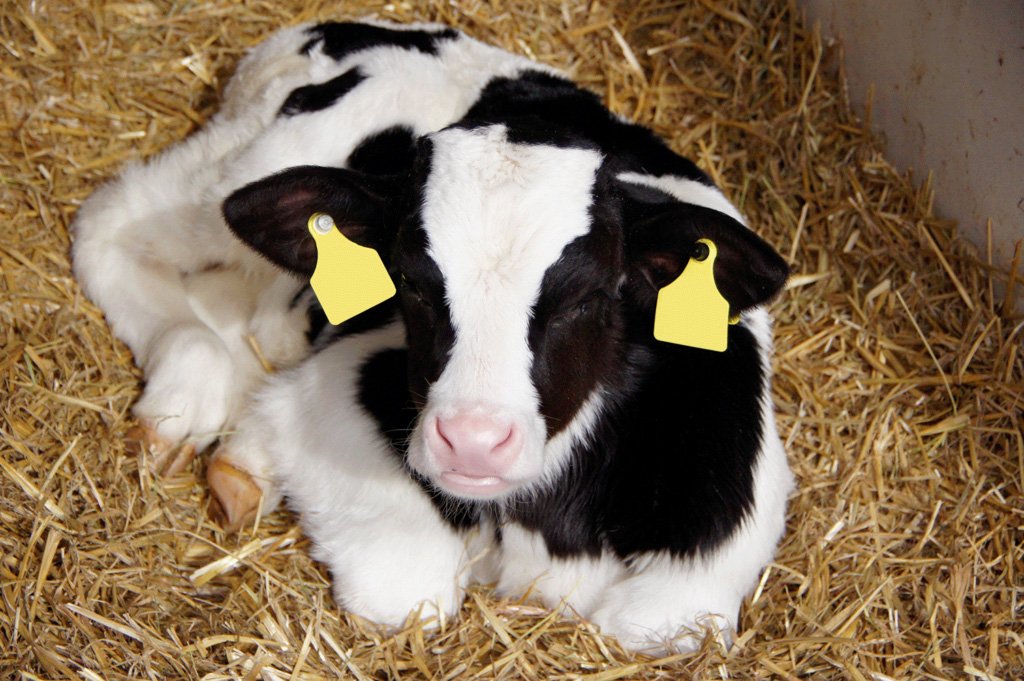
A specific process is particularly important for the colonisation of microbes in the calf’s gut. During calving, both calf and mother release the stress hormone cortisol, which causes the calf’s immune system to temporarily shut down. Only then does the gut allow microbial colonisation and becomes prepared for the development of the microbiome.
The calf develops its active immune system by producing its own antibodies. The body responds to environmental germs, viruses, and bacteria and begins to form its own antibodies. As the active immune system develops, the passive immune system gradually withdraws. It is essentially only a transitional solution. This creates an “immune gap” in weeks 2–4, during which the calf is particularly vulnerable to infections. Only when its own defence system is fully established is the calf out of the danger zone.
“Good” and “bad” bacteria
During a natural birth, the calf passes through the birth canal of the dam. Here it comes into contact with important bacteria that are essential for the development of the gut microbiome.
In the case of a caesarean section, the calf does not come into contact with these “good” bacteria from the birth canal. As a result, environmental germs – in this case “bad” bacteria – make up a larger proportion of the later microbiome. The result is a weaker immune system. Environmental germs can also have a major impact on naturally born calves. For example, calves born in an extremely contaminated environment encounter a higher number of “bad” bacteria, which slows down the development of a healthy microbiome.
Emergency support if needed
A natural birth, a hygienic environment during calving, and the intake of colostrum within a few hours form the foundation of calf development.
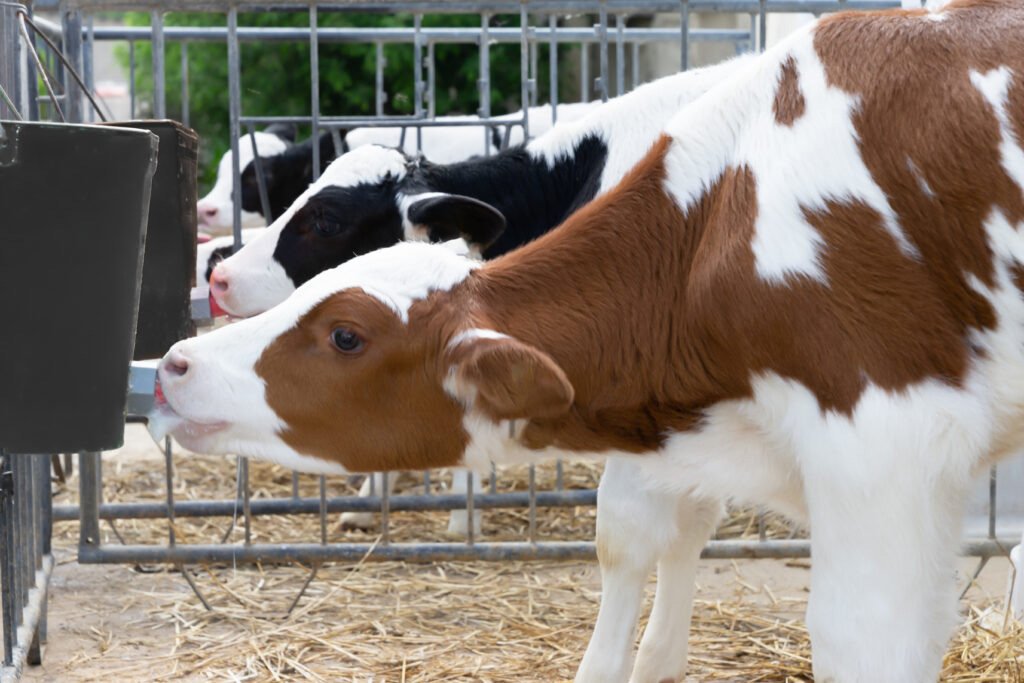
BUT: a natural birth should never be forced! If a difficult birth is identified and a caesarean section is recommended by the veterinarian, it should be performed. To still give calves a good start in life after a caesarean or difficult birth, the use of first-care products such as mymom® start paste is recommended. It contains an extra portion of important microorganisms (probiotics), immunoglobulins from cow colostrum, and essential vitamins and trace elements to support the development of the calf’s own immune system.
This is actually beneficial for every calf, especially twins, premature calves, or heifer calves.