

Estimated reading time: 4 minutes<
Don’t feel like reading? Then simply listen to this article.
Oxygen, enemy no. 1
The more oxygen is prevented from entering the edge areas of the silo, the greater the fermentative and nutritional benefit. The fermentation acids are preserved, yeasts and molds are inhibited, and stability after opening the silo increases. Less waste also means less work spent sorting out spoiled portions.
Using SiloSolve® FC and barrier film – is that enough?
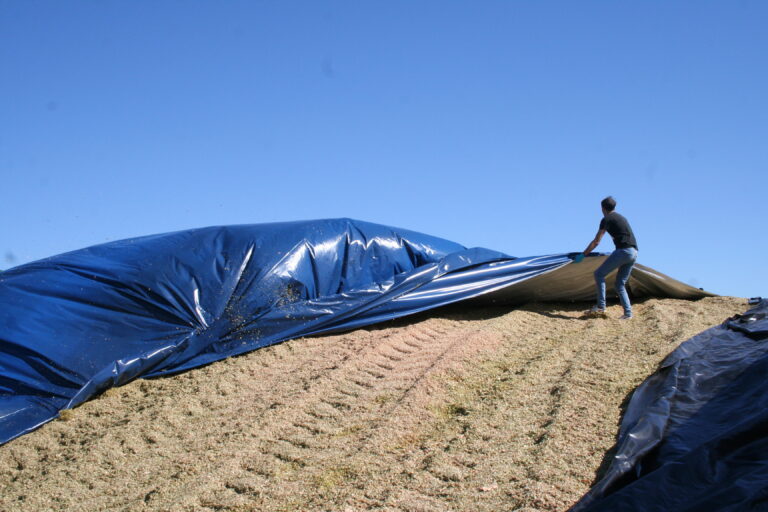
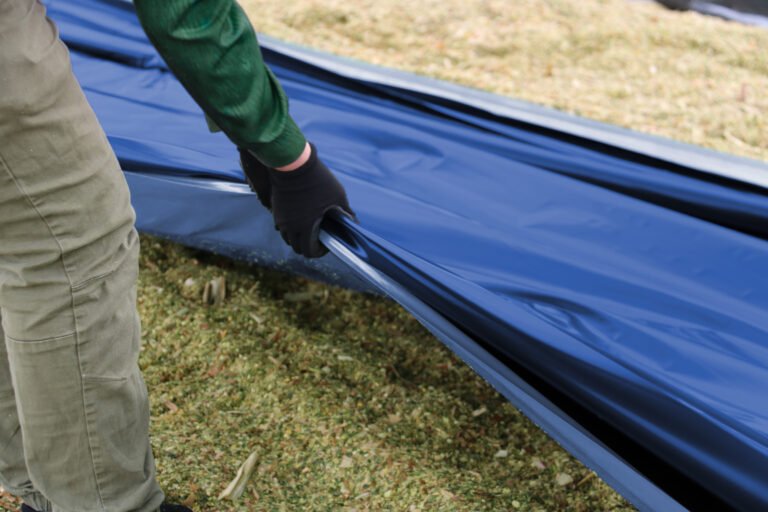
Thanks to the gas-tightness of barrier film, nutrient preservation—especially in the edge areas—is maximized. So does that mean that with a good barrier film and SiloSolve® FC the job is done? Not quite. While this is well thought out, it is also the small details in the covering process that ensure preservation all the way through to feed-out.
Holes in the film are not immediately visible
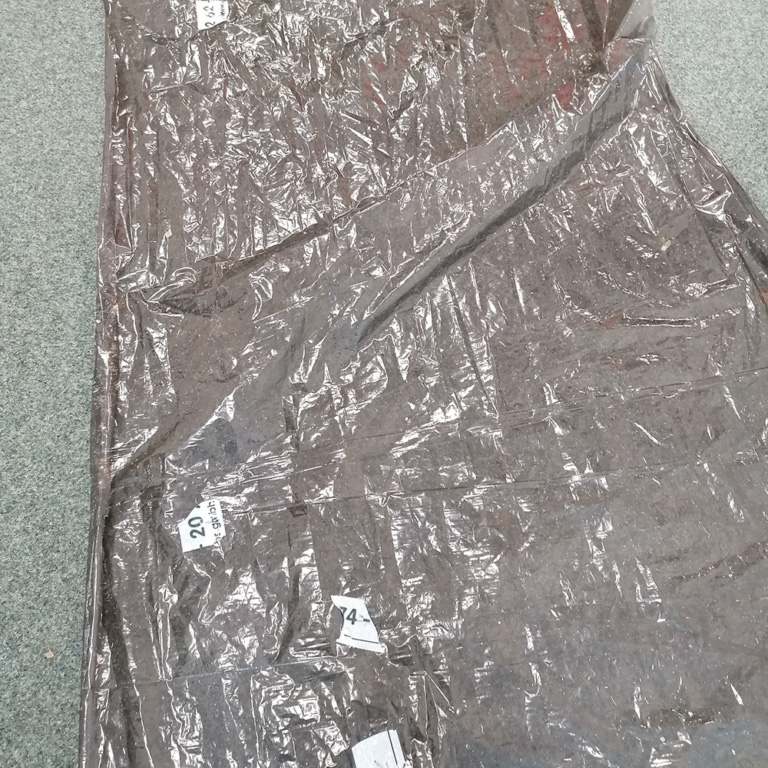
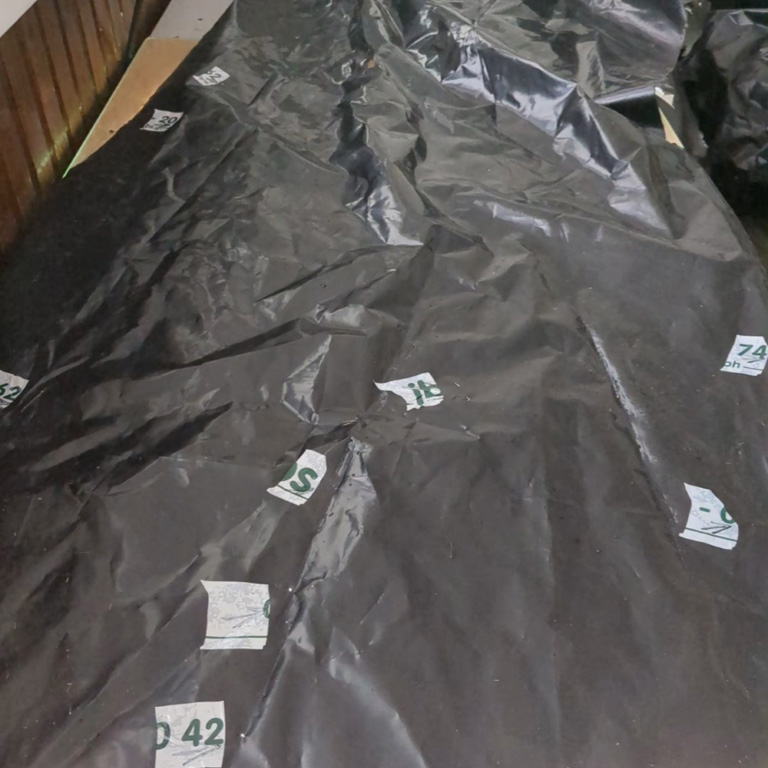
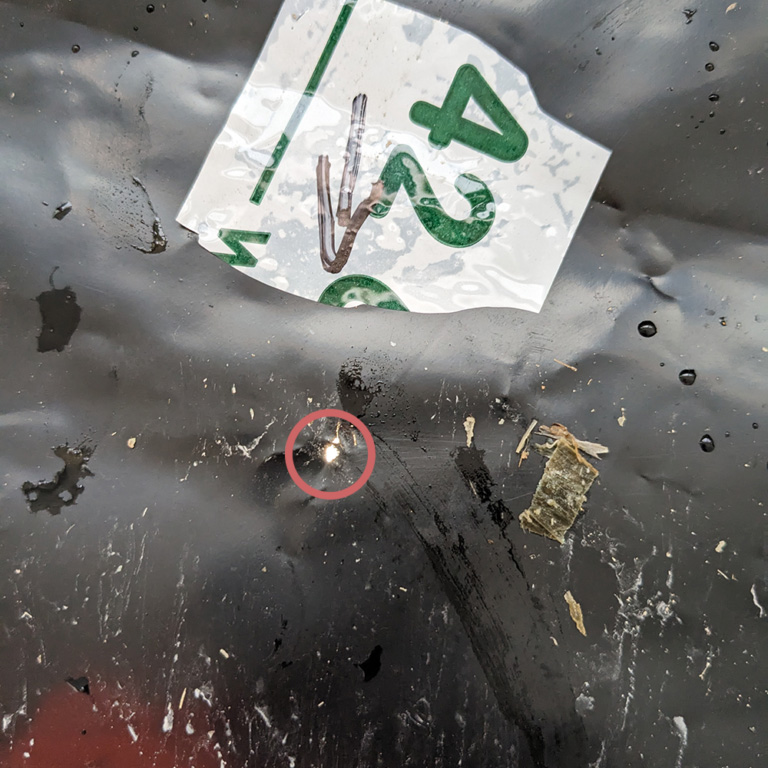
The individual conditions of each farm provide the best examples. Cats, rodents, and birds are part of the natural environment. However, they repeatedly pose a challenge for protecting silage clamps, and the risk of damage to the silage film increases with their number. They are responsible for tiny holes caused by sharp claws or birds’ beaks (1). These holes are barely visible to the naked eye; they only become apparent on a light table. Even with two films plus a double protective net, the main film can be severely damaged (2). Even the underlay film shows some holes (3). Reusing films from previous silos as a second or third layer is also no guarantee that the films will remain intact.
Every hole is one too many
In most cases, these “tiny” holes go unnoticed during film inspection on the silo—especially when tires are placed all over it. The entry of air and water reduces the acidity of the silage, creating an ideal environment for the growth of unwanted yeasts, fungi, and spoilage bacteria. This often leads to a total loss of the top layer. In addition, it becomes a source of contamination for the feed ration.
More safety with OXY Protec fleece
The new OXY Protec® fleece provides very robust protection. In a small field test, the film underneath the OXY Protec® fleece was completely free of damage. The thick, stable fibers of the fleece protect the film from beaks and claws. This results in silage with minimal losses.
Custom-fit fleece and thin film
OXY Protec® measures 6 × 12.5 m and can (if desired) be cut to other sizes with standard household scissors. The sections are fixed together using a wide hook-and-loop strip. This allows a continuous, connected thick layer to be created, providing optimal protection of the silage surface.
And because the fleece offers such reliable protection, it is possible to work with a very thin barrier film, the OXY MAX 50. This means: less plastic waste from the film, and multi-year use of fleece and hook-and-loop strips. The system not only stands out for reducing waste on and in the silo, but also scores in terms of sustainability.