

Estimated reading time: 3 minutes
Don’t feel like reading? Then simply listen to this article.
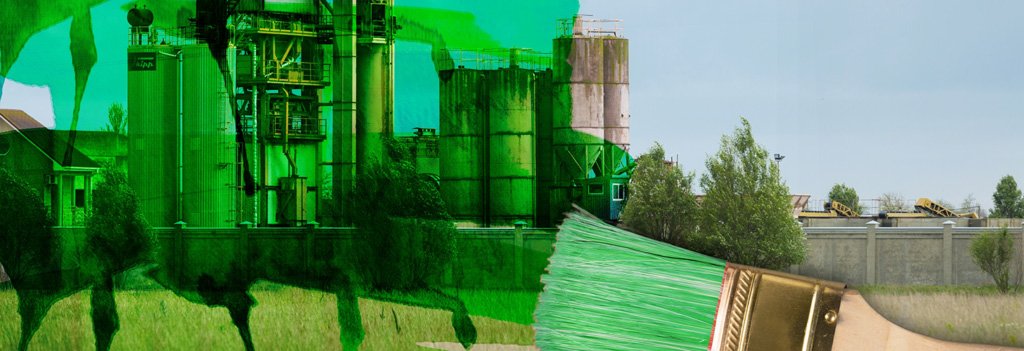
With greenwashing, a “green” image – meaning a supposed high level of sustainability – is actively promoted. In most cases, however, there is not much behind it. Anyone who looks at advertisements or simply walks through a store with open eyes can spot it everywhere: whether in cosmetics, food, or consumer goods. Products are often designed in a way that makes them appear especially natural, and are labeled with buzzwords such as “100% natural”, “climate neutral”, or similar claims.
Climate neutrality through compensation
Just one example among many: drinking water filtered through volcanic rock, sold in single-use plastic bottles. Of course, it is completely climate neutral – after all, it says so on every bottle… But if you take a closer look, there are significant issues in the local village at the bottling site where the spring is located. The claimed climate neutrality is achieved by supporting a rainforest project, meaning that the critical environmental impacts are offset.
Consumer deception?
A study has shown that exactly these kinds of claims significantly mislead consumers. For example, 56% of respondents rated a chocolate bar as more climate-friendly when its packaging said “plastic-free” compared to the exact same product without that label. Only 10% of participants understood the difference between “climate neutrality” and “compensation” – because fewer greenhouse gas emissions do not automatically mean climate neutrality. In most production processes, emissions are generated; while they can be offset, they cannot be completely avoided. And this highlights the core problem. These terms are not (yet) properly regulated, and consumers do not engage deeply enough with the topic. However, the EU now aims to stop this kind of misleading practice with the so-called “Green Claims Directive.” Anyone making claims about the environment, climate protection, or sustainability in their advertising must be able to substantiate them in a sound and verifiable way.
Sustainable despite plastic?
But what does this have to do with jbs, when we also sell plastic – and in not insignificant quantities? Quite simple: by optimizing our products, our agricultural films have become thinner over the past years – something you as our customers will especially notice when weighing them for disposal. The key point: although the films are significantly thinner, they are at least just as stable – if not even considerably more durable – than films from a few years ago. In the end, this means less plastic (waste) and less spoiled feed. And that, in turn, also saves resources, because emissions are generated during production. These emissions are the same regardless of the quality of the final product. In addition, there are innovations such as the silo-safeline or the OXY protec fleece, which provide multi-year solutions and enable consistently high feed quality.