

Estimated reading time: 5 minutes
Don’t feel like reading? Then simply listen to this article.
„Déjà vu“ – here we go again
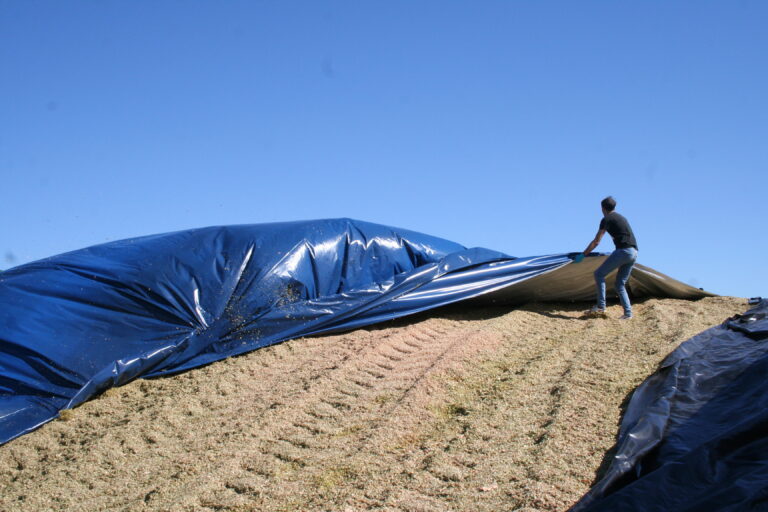
In February this year, the animal nutrition association issued a warning due to increased levels of mycotoxins found in maize silage from 2022. We reported on this in our May/June catalogue. This year’s maize silages have only just been covered, and there are still too few analytical results available. However, the forecast says: up to 90% of maize crops could contain elevated mycotoxin levels. One sentence from the early summer article also applies to this harvest: it varies extremely by region.
Fusarium in abundance
The likely high mycotoxin concentrations in maize are caused by the warm and humid weather conditions during the vegetation period from milk ripeness to harvest. These conditions provided optimal growth opportunities for several mould fungi of the Fusarium genus. However, Fusarium affects all cereal crops, not just maize. The cereal harvest has demanded a lot of patience from farmers, especially in the northern part of the country. Not to mention the situation during straw collection. Straw is often only used as bedding, but caution is needed: cattle will eat whatever is in front of them – including bedding straw. Especially in calving and transition areas or with calves, where a low-germ environment is required, clean straw should be used.
Fusarium – specialists in cereals
According to Wikipedia, Fusarium is even “one of the major unsolved problems in agriculture”. They are among the most important crop-damaging fungi worldwide, including in maize. More than 16 different species are known in maize alone. Wheat is particularly susceptible to Fusarium. High amounts of crop residues (as in maize) transfer Fusarium to the next crop, especially under reduced tillage systems without ploughing.
Fusarium toxins in the rumen
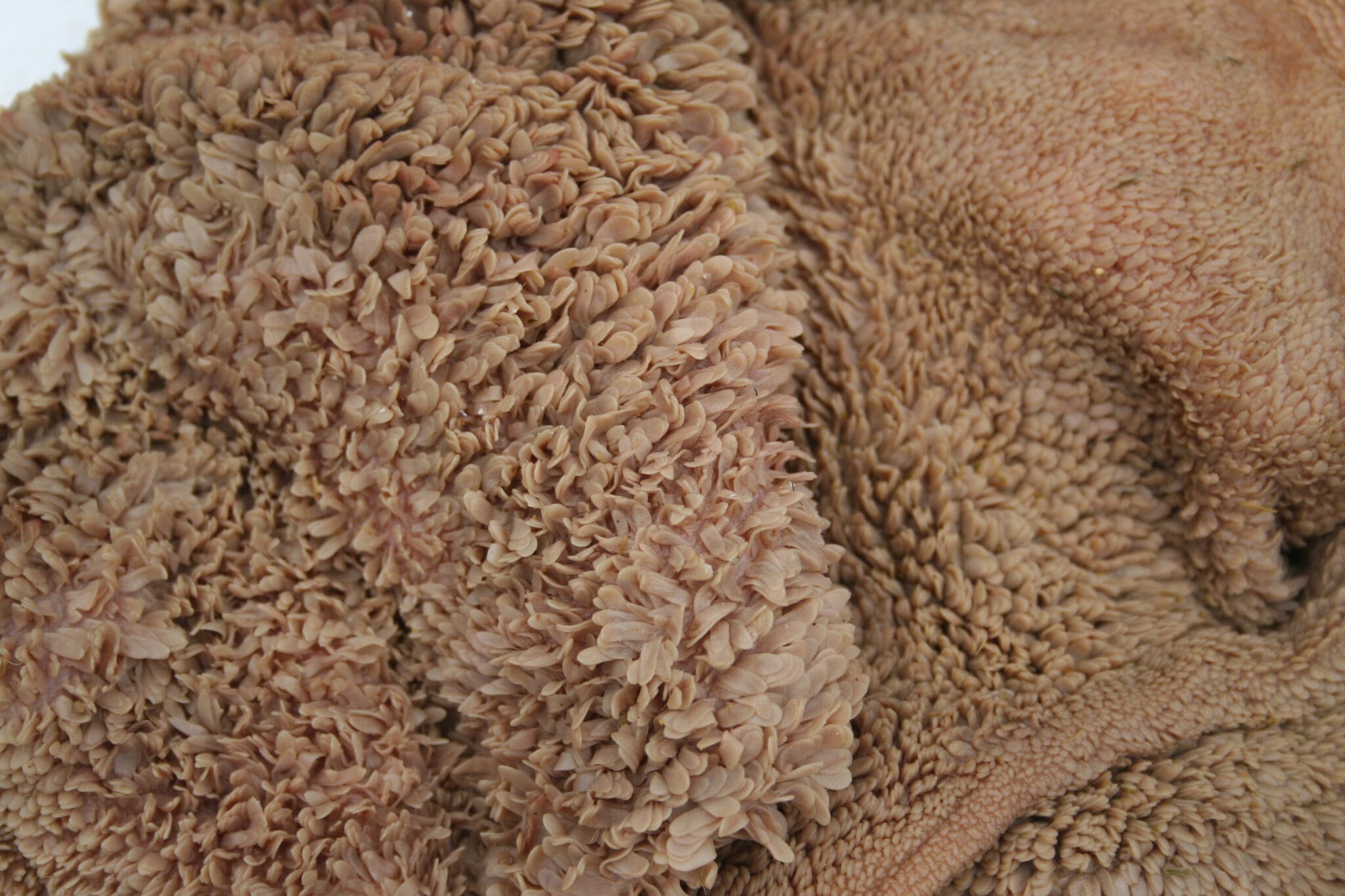
In general, ruminants have a response to toxins: their microbial community in the rumen. Some mycotoxins can be broken down by simple hydrolysis by bacteria or protozoa, while others require complex multi-step processes involving different microorganisms. The Fusarium toxin ZEN affects fertility but is, depending on the protozoal community in the rumen, converted into either an alpha or beta variant. The beta variant is harmless, while the alpha variant even has a stronger oestrogenic effect than ZEN itself.
Factor time
Complex degradation processes such as for ZEN require time, which is often not available in high-yielding dairy cows with high feed intake. The rumen is running at full speed, and the passage rate is too high for complete detoxification to occur.
Factor quantity
Another Fusarium toxin is DON. It is commonly found in maize and has serious negative effects on animal health. The higher the DON concentration in the feed, the poorer the detoxification.
In a trial with a low concentration of 5 ppm DON, 89% of the toxin was detoxified. At a moderate concentration of 50 ppm DON, it was 49%, and when the amount was doubled to 100 ppm, only 38% of the toxins were broken down into less harmful compounds.
Factor rumen pH
All microorganisms involved in toxin degradation in the rumen function best at a pH around 6. If the pH drops significantly below 5.5, they lose efficiency. The more often the rumen shifts towards an acidic environment, the fewer active detoxifying microbes remain. After each feeding, the pH drops due to lactic acid produced from sugar and starch – this is normal. However, prolonged acidic conditions weaken the detoxifying microbes. Through intensive rumination or the use of live yeast, acid effects in the rumen can be reduced, the pH increases, and beneficial microbes can perform effectively.
Cereals, straw, maize
Anyone feeding their own cereals and straw should take a close look, especially at wheat this winter. Does the expected milk production from the ration calculation actually reach the tank? Do the animals eat well? Are somatic cell counts within range? The same applies to maize-based rations. Those who do not want to wait until negative symptoms appear – which may be detected too late – should focus on prevention.
Combination products make sense
Prevention can be achieved in different ways. Products with live yeast support rumen pH stability and promote detoxifying rumen microbes. Yeast cell walls bind toxins, even if not all of them, and stimulate the immune system. Toxin binders remove unwanted fungal toxins from the animal. The best approach is diversity and combination products, as they provide additional positive effects even when toxin levels are low. An organ such as the liver or kidneys, once damaged by toxins, may not fully recover, leaving the animal permanently reduced in performance and health.
Prevention is annoying – but treatment and culling are even more so.